





As the electric vehicle and energy storage markets mature, “semi-solid state batteries” have moved from the lab to the headlines. But what exactly are they, and why are they considered the most pragmatic bridge between traditional lithium-ion and true all-solid-state technology?
Here is a comprehensive guide to understanding this pivotal technology.
1. Defining Semi-Solid State: The “Wet Sponge” Analogy
First, let’s clear up a common misconception: Commercially available “semi-solid state batteries” are not all-solid-state batteries.
Their more accurate academic name is Mixed Solid-Liquid Batteries.
- Traditional Liquid Li-ion: The electrodes are fully submerged in flammable organic liquid electrolyte. (Think of it as a “glass of water”).
- Semi-Solid State: By introducing oxide or polymer solid electrolytes, the liquid content is compressed to just 5%–10%. Through a process called in-situ curing, the remaining liquid is “locked” into a solid skeleton. (Imagine a “wet sponge” where the water is trapped and cannot flow freely).
- All-Solid-State: Contains zero liquid. While the ultimate goal, it remains hindered by solid-solid interface resistance and high costs, keeping it years away from mass commercialization.
The Strategic Advantage: Semi-solid tech is a pragmatic transition. It can reuse 70%–80% of existing liquid battery manufacturing lines, meaning manufacturers don’t have to tear down factories and start from scratch.
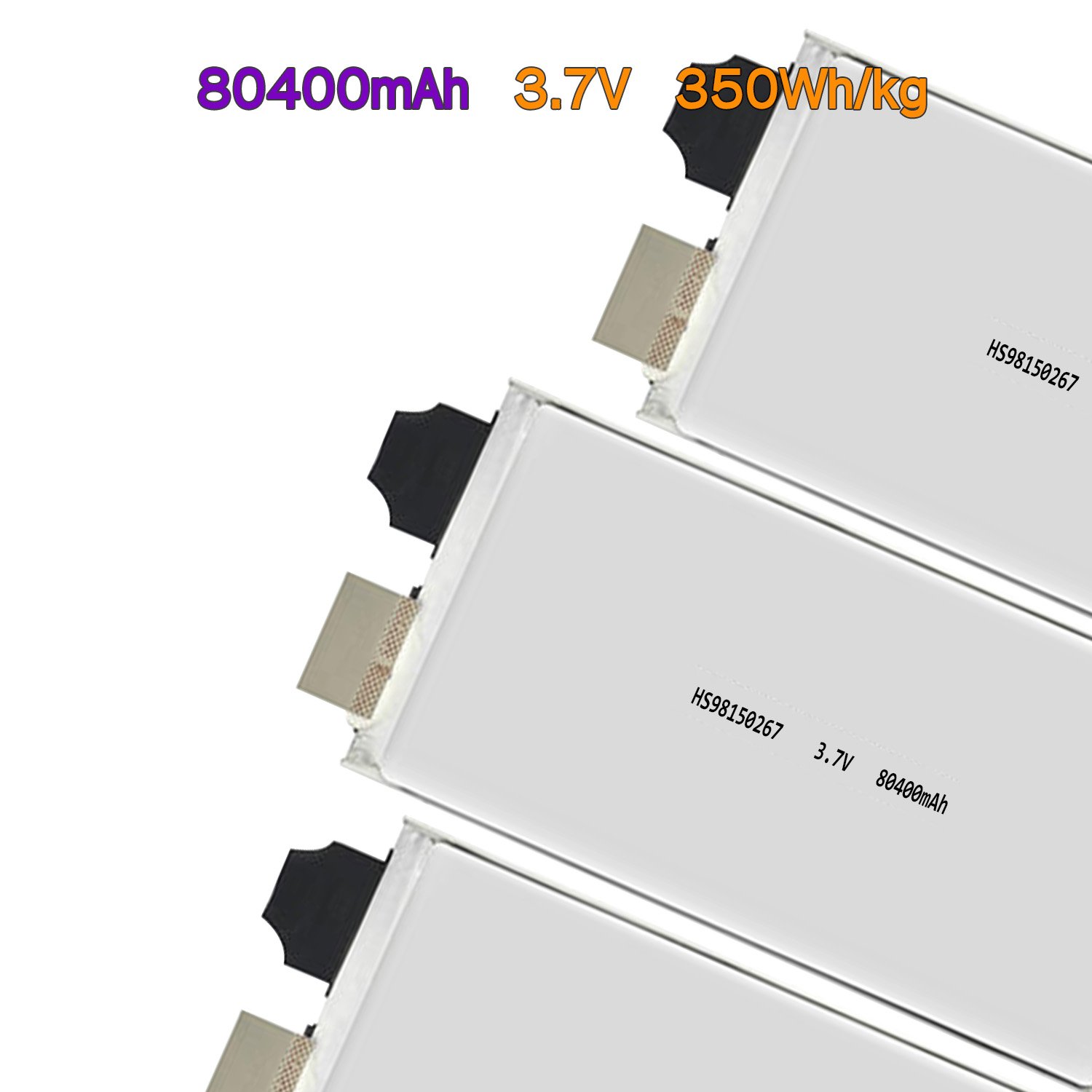
2. Core Technical Advantages (vs. Traditional Liquid Batteries)
| Metric | Traditional Liquid (NMC/LFP) | Semi-Solid State Battery |
|---|---|---|
| Energy Density | 160 – 280 Wh/kg | 300 – 360+ Wh/kg (Up to 400+ Wh/kg with high-nickel + silicon anodes) |
| Safety | Risk of fire upon puncture/overcharge (Thermal runaway starts at ~200°C) | No fire/explosion on nail penetration. Thermal runaway threshold increased by 40°C+. |
| Low-Temp Performance | Capacity retention: 50%–60% at -20°C | Capacity retention: ≥70%–80% at -20°C to -30°C |
| Cycle Life | 500 – 2,000 cycles | NMC Type: 1,000 – 2,000+ cycles LFP Type: 6,000 – 10,000 cycles |
| Swelling | Electrolyte decomposition causes gas and pouch bulging | Cured structure limits gas generation; low bulge rate |
| Cost | Low (Mature Supply Chain) | Currently 8%–30% higher than equivalent liquid NMC; expected to drop with scale |
The Bottom Line: Semi-solid batteries offer a massive leap in safety and energy density, plus improved low-temperature performance and lifespan, all while staying relatively close to traditional liquid battery costs.

3. Key Application Areas (Mass-Produced & Demonstrated)
🚗 1. Premium New Energy Vehicles (NEVs) – The First to Scale
- Use Case: Flagship sedans/SUVs equipped with massive 150kWh packs, enabling ranges exceeding 1,000 km (e.g., NIO ET7, IM Motors L6, VOYAH Zhuiguang).
- Value: Eliminates “range anxiety” while meeting stringent new national safety standards for thermal runaway prevention.
- Trend: 2026 is widely regarded by the industry as the “year of six-figure volumes” for semi-solid state EV installations.
🚁 2. Low-Altitude Economy – Industrial Drones & eVTOLs (The Golden Scenario)
- Industrial Drones: Semi-solid pouches (≥300Wh/kg) increase flight time by 20%–40% without adding weight. They perform reliably in -20°C highland winters and easily pass airworthiness certifications for urban airspace due to their superior safety.
- eVTOL (Electric Vertical Take-Off and Landing): Passenger aircraft demand zero-tolerance safety and high energy density to reduce weight. Semi-solid is currently the most viable powertrain solution.
🔋 3. Commercial & Grid-Side Energy Storage
- Scenario: Urban center storage stations, data center backup power, and chemical parks where “zero fire” policies are mandatory.
- Advantage: Semi-solid LFP variants offer 6,000–10,000 cycles and are inherently resistant to thermal runaway, making them ideal for dense urban environments.
- Milestone: A 200MW/400MWh semi-solid storage project in Zhuhai has been connected to the grid, signaling the shift from pilot projects to full commercialization.
💻 4. Premium Consumer Electronics & Hazardous Environments
- Flagship Devices: Smartphones, laptops, and AR glasses benefit from high volumetric density (thinner bodies) and safer operation under new power bank regulations.
- Explosion-Proof Settings: Mining equipment and chemical plants require “zero-tolerance” safety. Semi-solid batteries can withstand internal short circuits (e.g., 3mΩ) without catching fire or leaking.

4. Current Limitations & Rational Expectations
- Not Fully Solid: They still contain trace amounts of liquid. While significantly better, they haven’t completely eliminated all the minor degradation issues associated with liquid electrolytes (such as slight side reactions during long-term high-temperature aging).
- Slightly Higher Cost: Still more expensive than mainstream LFP batteries. However, the premium over high-performance NMC batteries is narrowing (currently in the single-digit to 20% range) and will continue to fall.
- Discharge Rate: Extreme high-rate (C-rate) discharge performance slightly lags behind top-tier wound LiPo batteries. They excel in cruising and long-endurance applications rather than “brute force” racing scenarios.

📝 Summary
Semi-solid state batteries are the “Safety + Energy Density Upgrade Package” for liquid batteries. They represent the most practical technological choice for high-end EVs, the low-altitude economy, and high-safety energy storage over the next 3–5 years.
Far from being a compromised version of all-solid-state tech, they are the real, mass-produced “next-generation battery” available on the market today.