


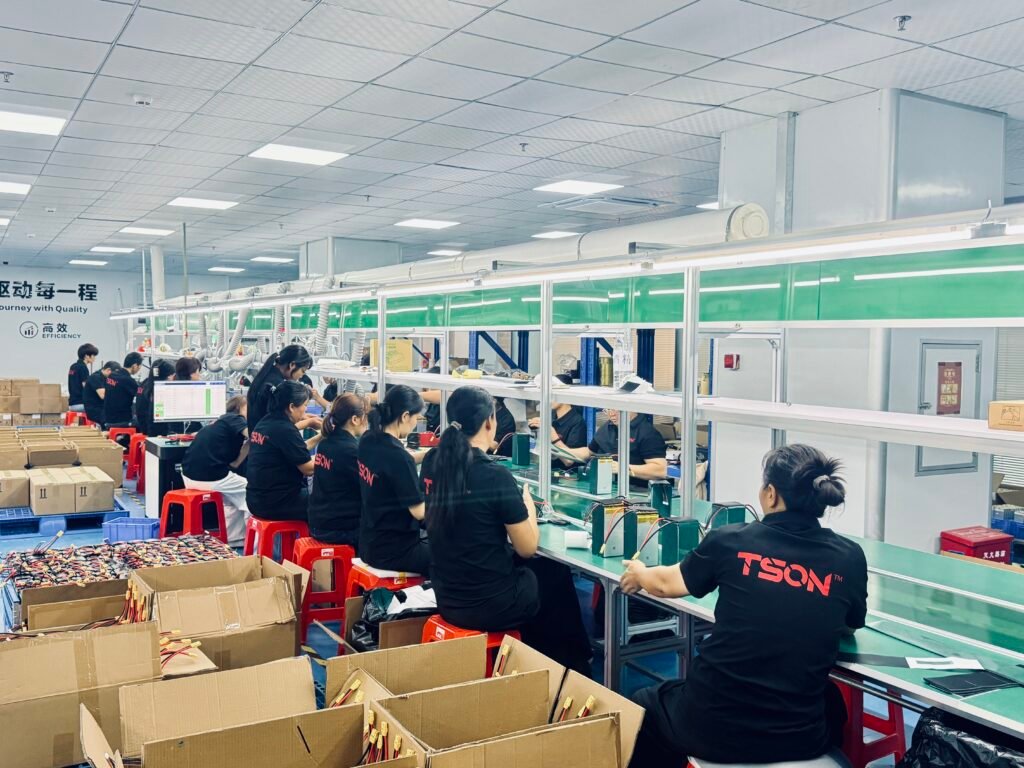
Tson has taken the lead in achieving mass production of high-energy-density lithium-metal batteries, pushing the industry ceiling to a new level.
First, let’s do a calculation: What does 630 mean?
There is an unwritten “hierarchy” in the battery industry, with a single number at the top: energy density.
It determines how much electricity can be stored in the same kilogram of weight. And for things that fly in the sky – drones, eVTOLs, patrol missiles – this number is almost obsessive. Because each gram of battery must earn its energy back through lift: adding one more unit of electricity requires a larger propeller, a stronger motor, and more electricity, eventually falling into a self-weight-increasing vicious cycle.
Mainstream battery power sources, with graphite anodes, have a ceiling of approximately 250–350 Wh/kg. This is why an 600-kilometer electric vehicle, the battery pack takes up nearly one-third of the vehicle’s weight.
Tson New Energy (TSOMPOWER) has announced this time a 630 Wh/kg lithium metal battery, which is more than double the mainstream level and is the highest publicly available industry production-level energy density currently known.
Converting to an intuitive result:
Scene
Current situation (calculated at 300Wh/kg)
After 630Wh/kg
Industrial drones
Load capacity 5kg, flight duration approximately 25 minutes
The range doubles or reduces by nearly half compared to the same weight
Logistics/pest control aircraft
Single mission operation radius is limited
The payload per flight and flight range increase simultaneously
Human-carrying eVTOL
Insufficient energy density is the biggest bottleneck for economy
Close to 400–600Wh/kg is the feasible range for commercialization
II. Why Lithium Metal: Replace Graphite and You Win Half the Game
To understand the significance of 630, one must first look at the negative electrode material.
Over the past three decades, the negative electrode of lithium-ion batteries has been graphite, with a theoretical capacity of 372 mAh/g. However, metallic lithium has a capacity of 3860 mAh/g – approximately 10 times higher, and it is also the lightest solid metal (with a density of 0.534 g/cm³).
That is to say: for the same amount of electricity, the weight of the negative electrode can change from “a significant portion” to “almost negligible”.
This is precisely why lithium metal is regarded as the “Holy Grail” of lithium batteries. Anode-free, as the ultimate form of lithium metal, has a theoretical mass energy density of 650 Wh/kg, which is over 110% higher than that of traditional lithium-ion batteries – 630 Wh/kg, already very close to the peak of this theoretical curve.
But the challenge lies in this: geniuses with perfect talents often have the hardest time achieving mass production.
III. The Three Major Obstacles That Have Held Back the Entire Industry for 50 Years
Lithium metal has not been an unexplored concept. It has been researched for over half a century but has not yet become widespread. The core issue lies in three aspects:
1. Lithium dendrites – the root cause of short circuits and thermal runaway
During charging, lithium does not deposit uniformly and forms needle-like dendrites, which puncture the separator and cause internal short circuits. The 2026 testing data from CAER shows that the unmodified lithium metal negative electrode fails to cycle less than 200 times before showing significant dendrites.
2. Dead lithium + unstable SEI
Metal lithium is highly reactive and continuously reacts with the electrolyte to form a fragile SEI film. The film tears and re-forms repeatedly during cycling, continuously consuming active lithium and the electrolyte, resulting in a sharp decline in capacity.
3. Nearly 100% volume expansion
The volume change of graphite during lithium insertion is only about 10%, while during the entire lithium deposition/deposition process, there is no framework support. The volume fluctuation during a single cycle exceeds 300%, causing the electrode to powder and the interface to detach.
These three factors combined explain why as of the beginning of 2026, global lithium metal negative electrodes are still generally in the laboratory and small-scale pilot production stages, and no vehicle-grade large-scale mass production has been seen.
Therefore, the real dividing line in the industry is never “whether this figure can be achieved”, but rather – whether this figure can be stably replicated on the production line.
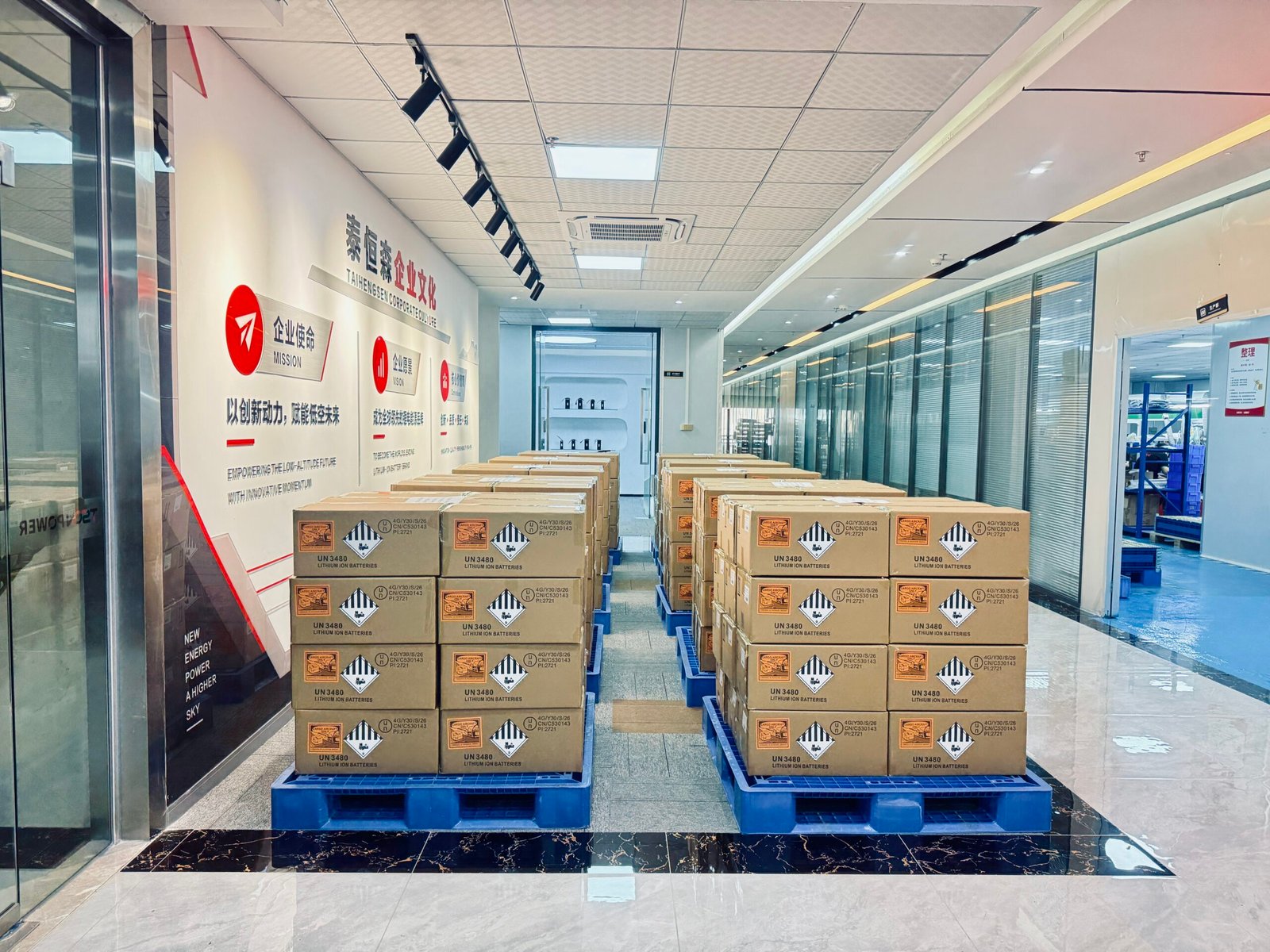
IV. The fact that 630 can be “mass-produced” is the true focus of this news.
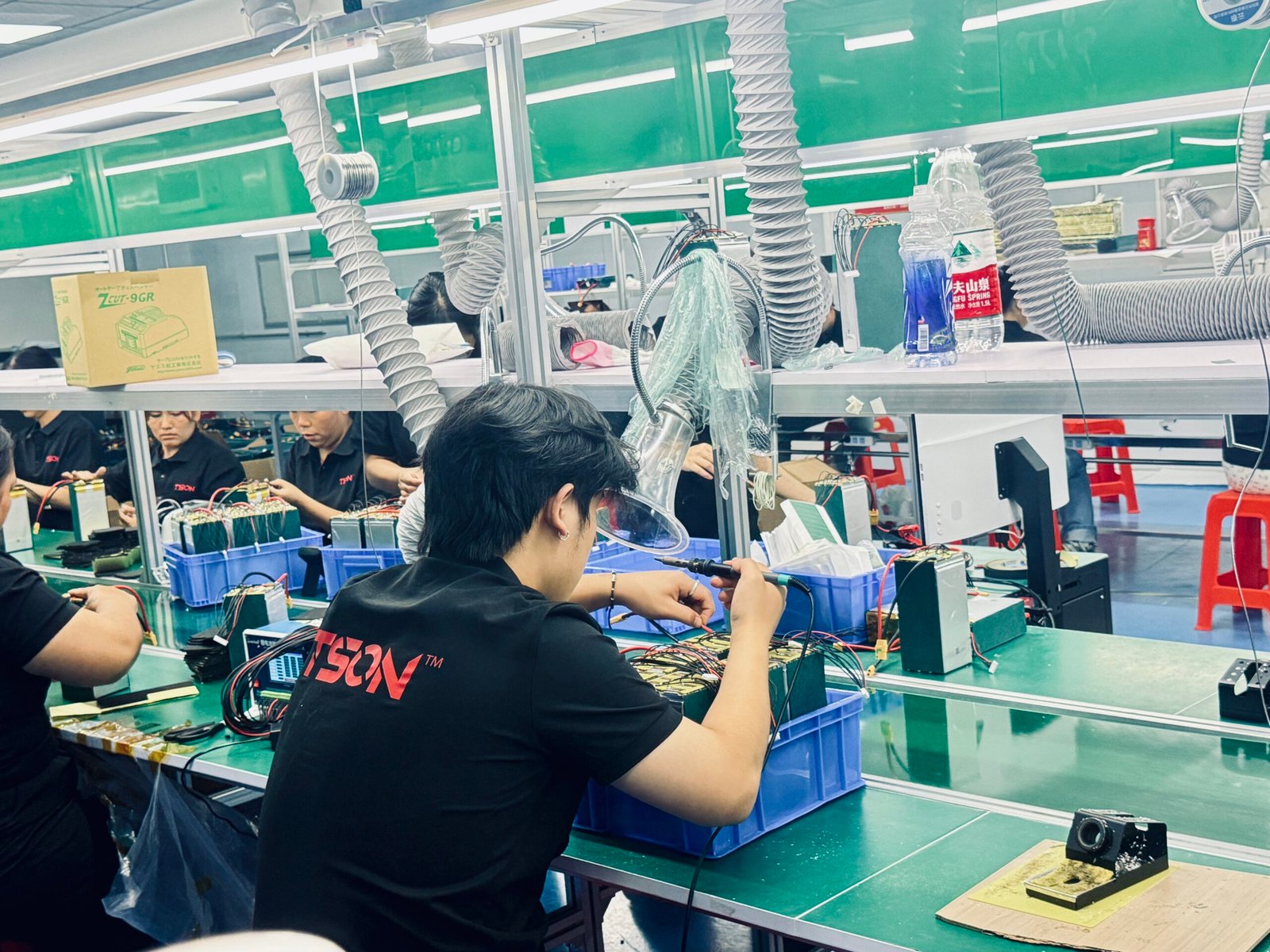
Public information indicates that Tsonpower has over 12 years of experience in lithium battery research and manufacturing, and is a manufacturer that integrates the research and manufacturing of battery cells and battery packs. It possesses a complete chain capability from materials to packaging. Previously, its semi-solid series has reached the 510Wh/kg level (displayed at the Shenzhen International Low-Flying Economy Exhibition in May 2026), and has formed a series of semi-solid battery cell products such as 350Wh and 280Wh.
From 510 to 630, the gap is not just a single line on the parameter table, but a technological generation gap from the “semi-solid compromise solution” to the “lithium metal high energy density system”.
This step is crucial because it directly changes the engineering premise of downstream products:
Drones/Unmanned Systems:
With the same takeoff weight, payload and range can be simultaneously improved;
eVTOL and humanoid robots:
Energy density is one of the hard thresholds for airworthiness certification and economy;
High-end portable and special equipment:
Lightweighting is the product strength.
According to public predictions, the global eVTOL power battery market will be approximately 1.78 billion US dollars in 2026, with a compound annual growth rate of approximately 33% from 2025 to 2032; the CAGR of the low-altitude aircraft battery market during the same period is approximately 20.6%. The core constraints of these markets are highly consistent – what is lacking is not batteries, but lightweight and high-energy batteries. The mass production of 630Wh/kg is precisely aimed at this constraint.
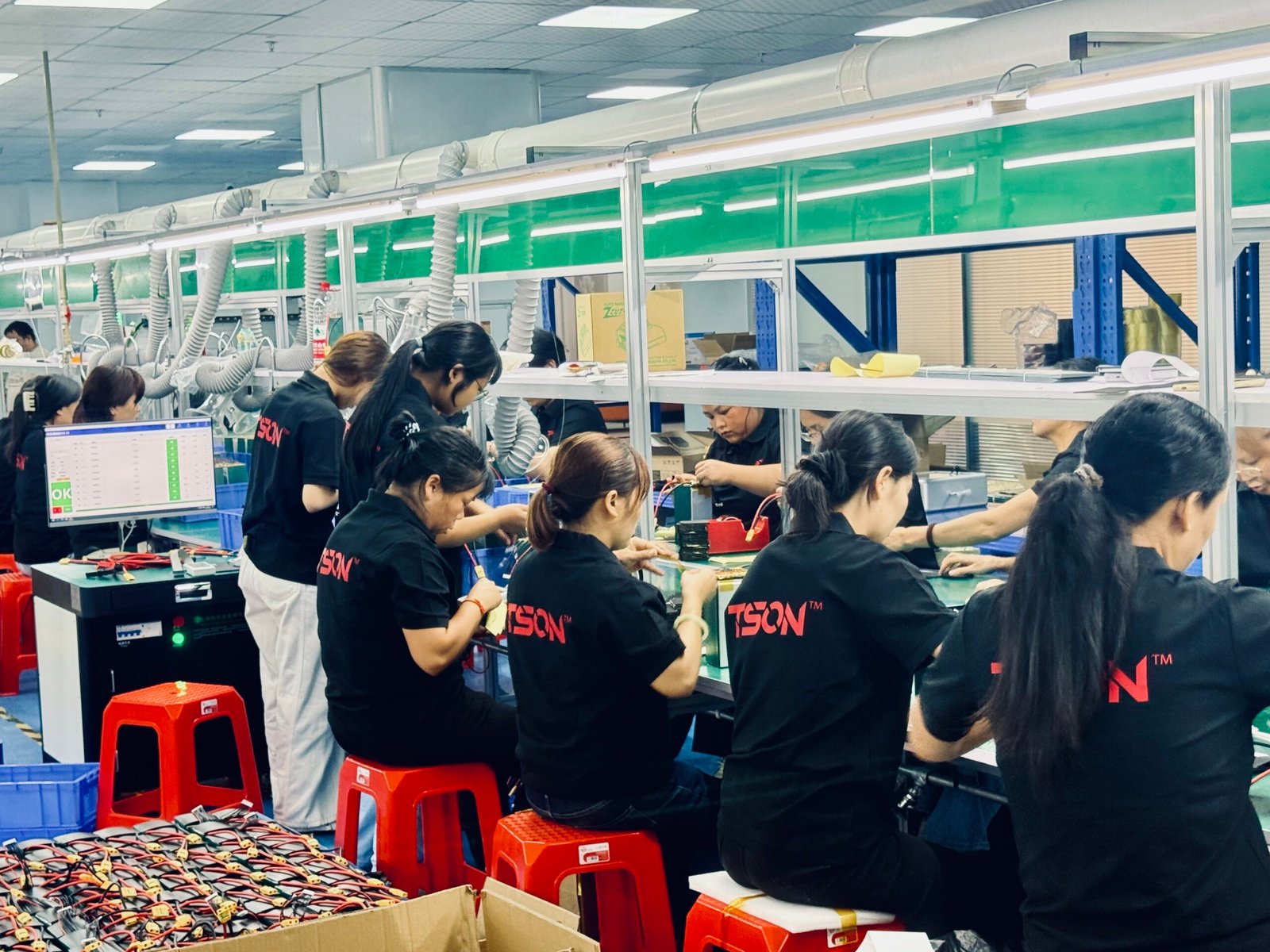
In summary, this situation can be described as follows: Lithium polymer is responsible for “the current market share”, while lithium metal is responsible for “the pricing power of tomorrow”. The former focuses on cost and consistency, while the latter depends on who can first create the ceiling.
Six points to clarify: The most feared thing in this industry is “one number ruling everything”.
Any responsible battery report should clearly state the conditions beforehand. Here is the same:
First, cell level ≠ system level.
 630Wh/kg is the data for the cell (Cell). When making a battery pack, it needs to be combined with the Pack structure, BMS, thermal management, and shell. The system-level energy density is usually discounted. This is a universal conversion across the industry and is the first hurdle to determine if a battery is “usable”.
Second, cycle life and rate data are the core of the next round of verification.
The current vehicle-grade 1000-cycle lithium metal has not yet firmly achieved stability. Fast charging is also a recognized weakness (high current lithium plating will exacerbate dendrites). For scenarios where “energy density value >> cycle value” such as drones and special equipment, this is not a fatal problem; but for electric vehicles, longer-term verification is still needed. It is recommended to refer to the actual measurement under specific application conditions.
Third, laboratory records and production records should be viewed separately.
2026 is indeed the “big year” for lithium metal: many teams claim to maintain nearly 400Wh/kg at -50℃; there is no negative electrode soft-pack at 508Wh/kg.
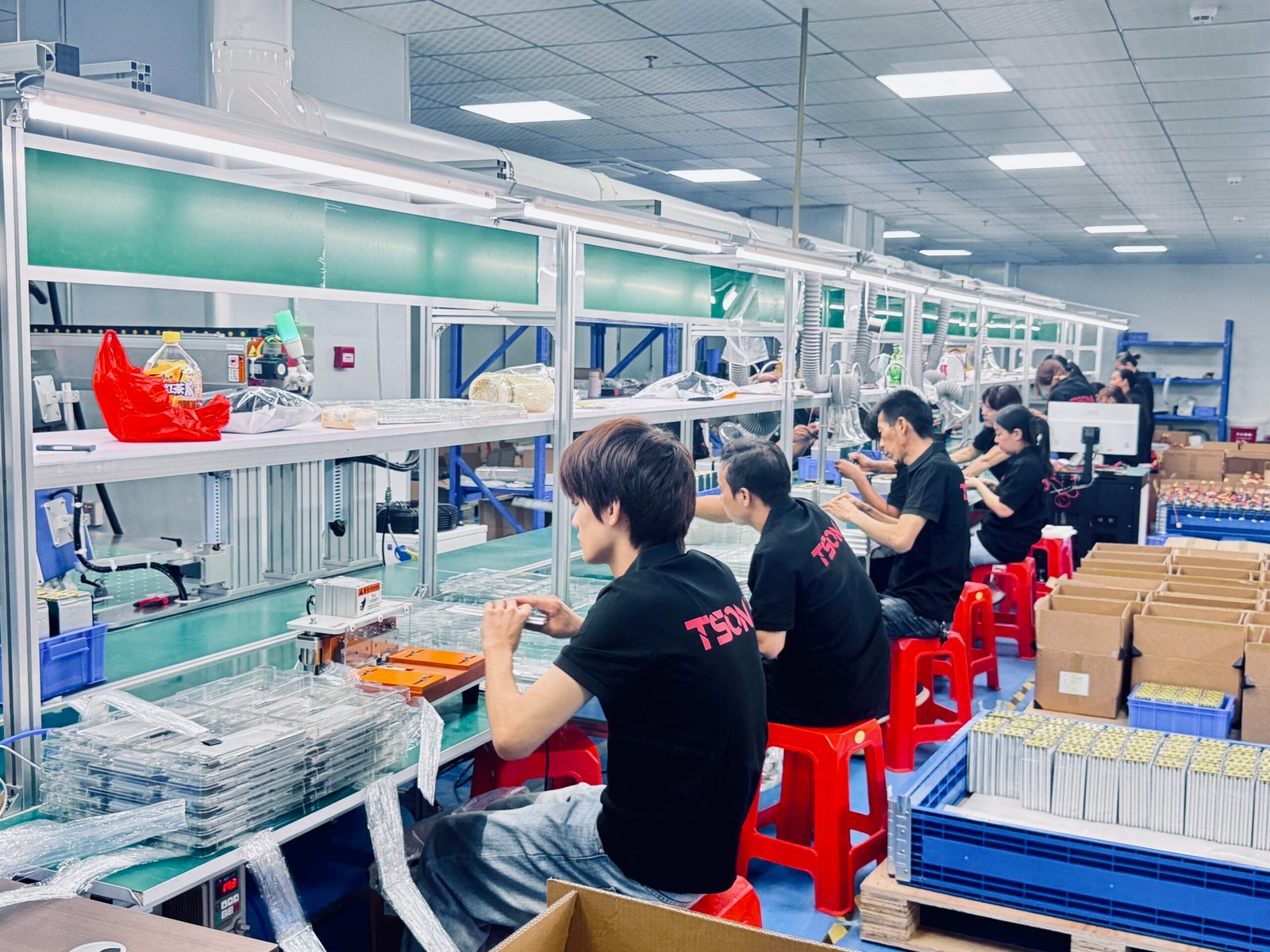
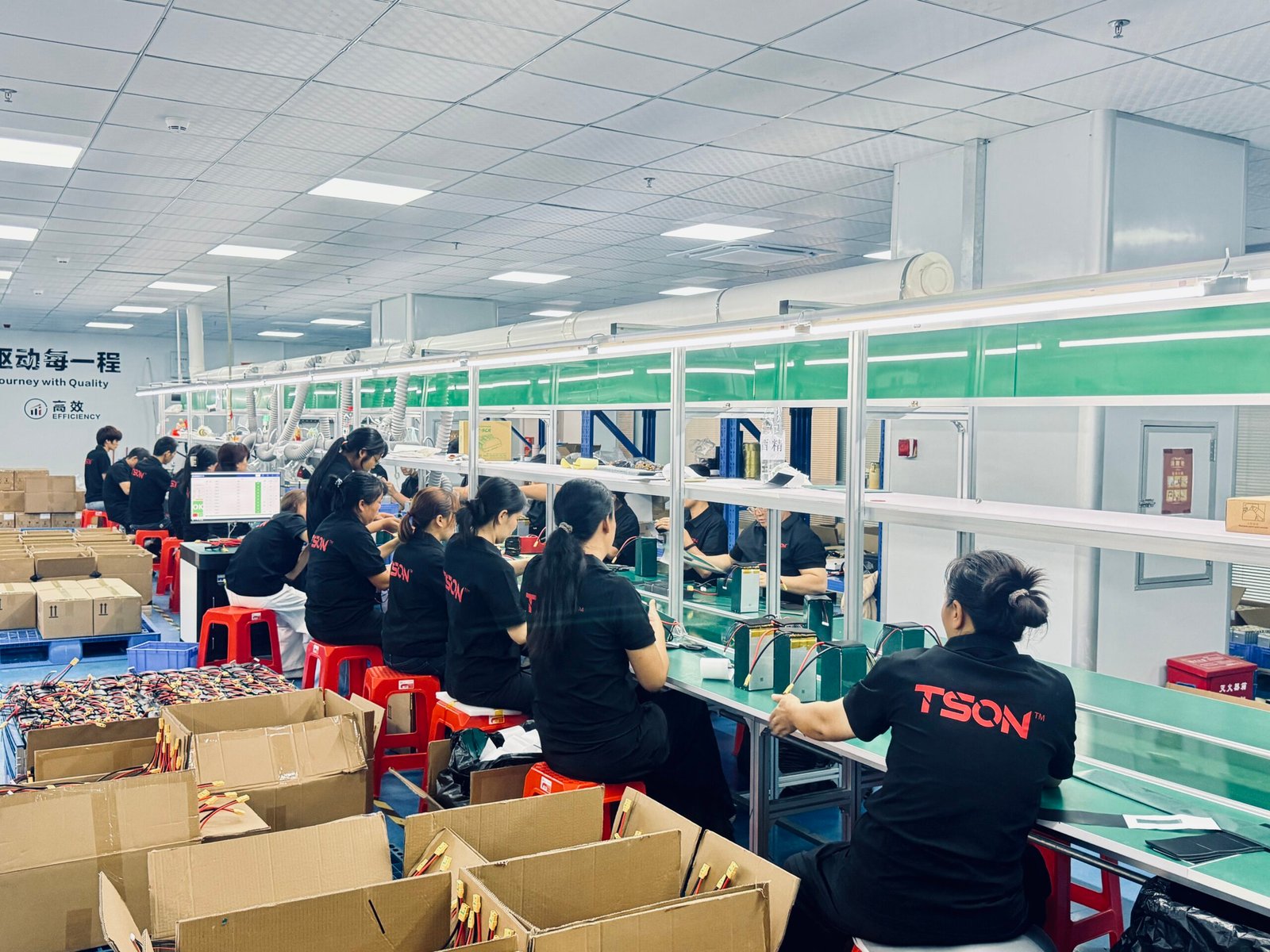
There are many records, but “reproducible, deliverable, and installable production” is the scarce commodity. This is also the value of Tsonpower’s breakthrough this time – not just making the numbers the highest, but making them on the production line.
TSONPOWER
Specializing in the research and development, as well as manufacturing of high-capacity lithium batteries and solid-state/hybrid solid-state lithium batteries. Our products are applicable to various scenarios such as unmanned aerial vehicles, eVTOL, industrial drones, agricultural spraying machines, and aerial combat machines. We also provide customized Pack solutions.